
UGREEN participation
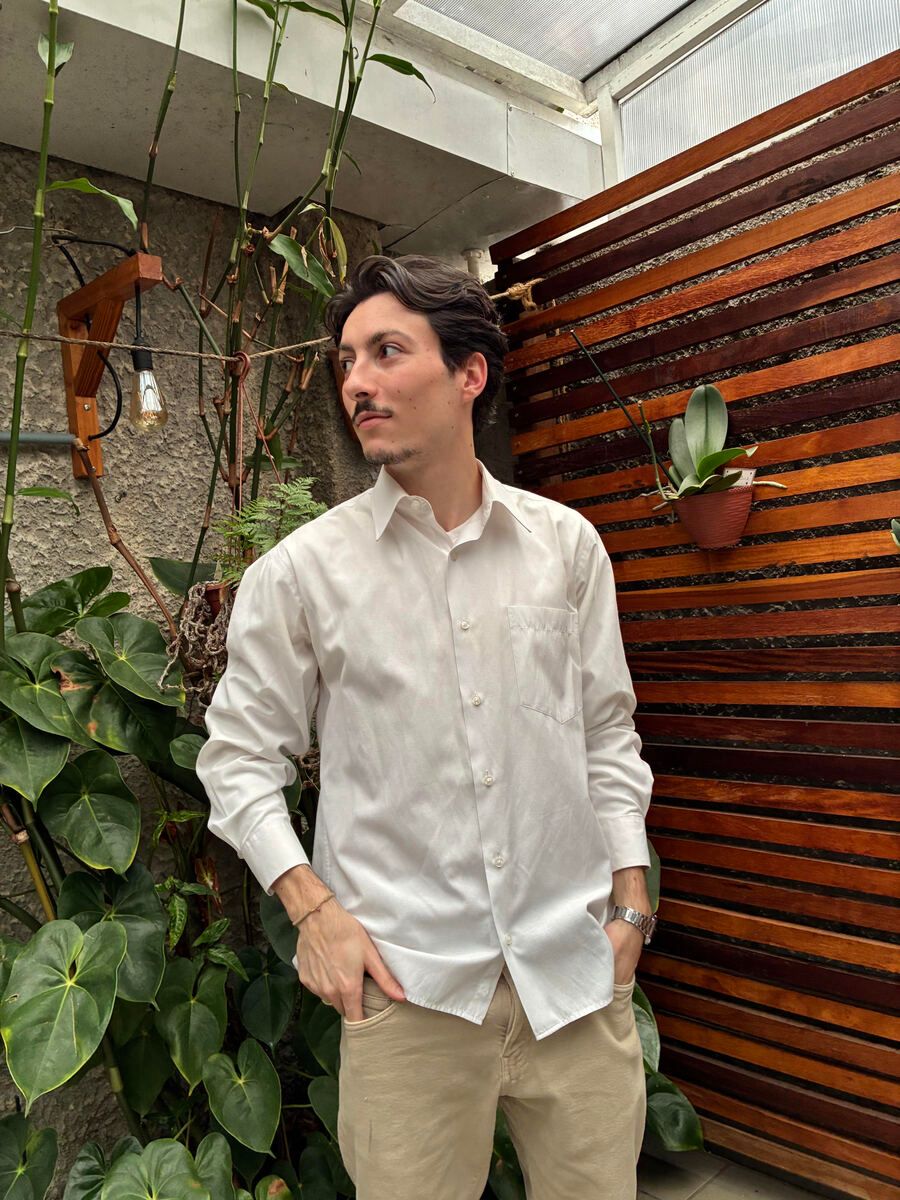
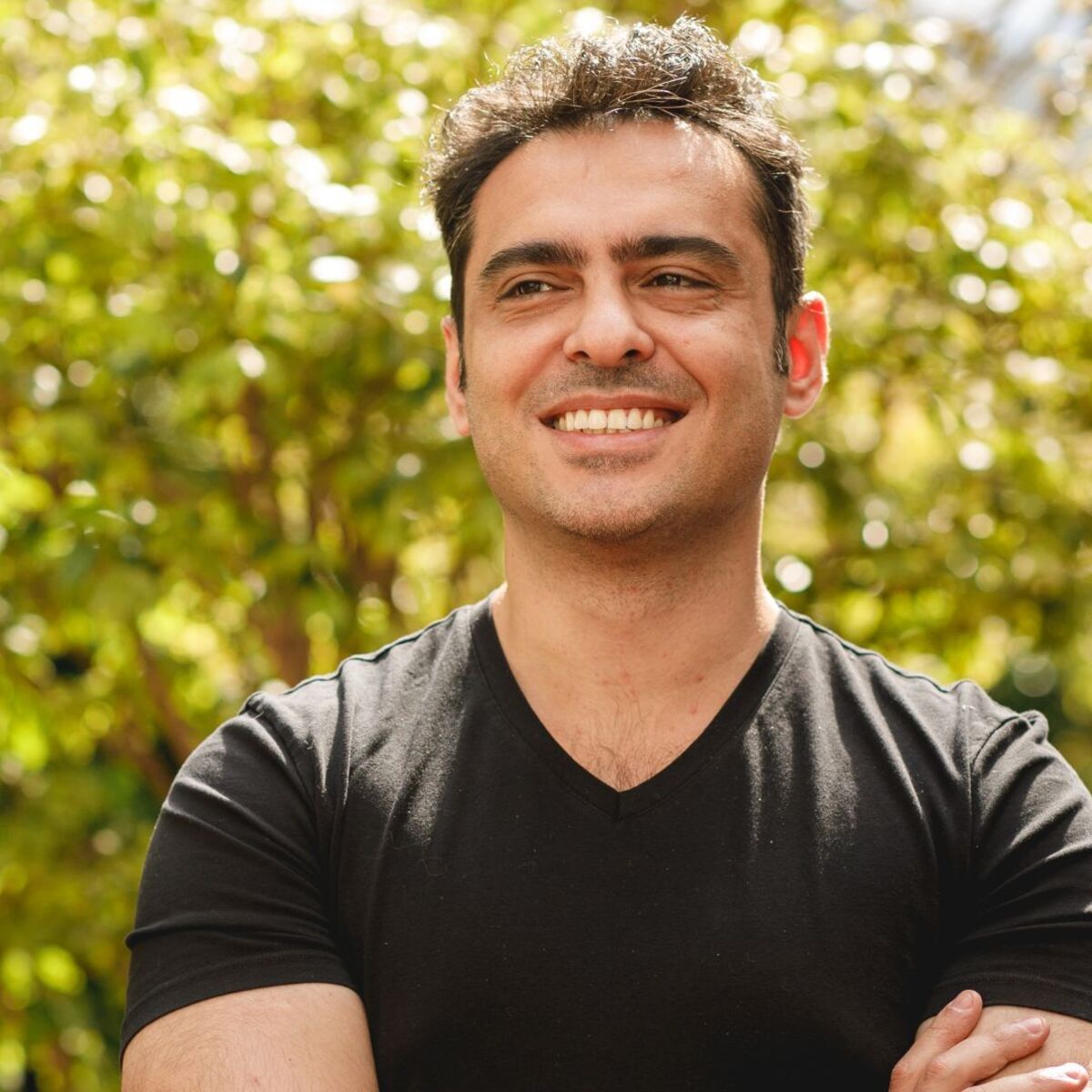
UGREEN in-person workshop: sustainable design training for Armentano Arquitetura
This Thursday (04/09), the UGREEN team held two in-person workshops for the Armentano Arquitetura team, focused on two core topics in sustainable practice.
The first session covered architectural design: participants worked with a bioclimatic design flowchart and developed a concept project using analysis tools and software together.
The second session focused on interiors, covering biophilic design and sustainable materials: how to classify them, prioritize them, and apply them in real projects.
By the end, the team had a stronger technical foundation and clearer criteria for making design decisions grounded in sustainability, from concept to material specification.
Interested in an in-person or online workshop for your architecture firm? Get in touch with us! We can develop a custom workshop tailored to your team and practice.
Disclaimer: This workshop was conducted in Brazilian Portuguese. UGREEN also offers training in English for international teams and firms.
UGREEN
April Special: UGREEN Sustainable Home Mentorship at an Exclusive Price
Most homes lose water, energy, and ventilation efficiency because the right technical decisions were never made. These are fixable problems, and none of them requires renovation or major investment.
The UGREEN Sustainable Home Mentorship was built for exactly that. Four recorded classes, expert-validated methodologies, and a clear path to making any home more efficient, ecological, and healthy.
The program covers six pillars: Biophilic Design, Natural Ventilation, Water Savings, Energy Efficiency, Home Automation, and Conscious Water and Waste Management.
Access for ONLY US$ 67.
News
Water Dominates Sustainability Agenda at Davos 2026

Image: World Economic Forum
Held from January 19 to 23 in Davos, Switzerland, the World Economic Forum turned its 2026 Annual Meeting into a platform for action on the global water crisis.
The event brought together more than 60 heads of state, 400 political leaders, and 830 CEOs under the overarching theme "A Spirit of Dialogue."
The discussions covered freshwater, oceans, and blue food security as parts of a single interconnected system. Under the "Blue Davos" label, the WEF declared 2026 the "Year of Water" and framed the issue as economic infrastructure.
The central session, "Water in the Balance," opened with a stark statistic: 70% of all climate impacts are tied to water management.

Image: World Economic Forum
The main launch was Get Blue, an initiative from Water.org, the NGO co-founded by actor Matt Damon. The platform brings together Amazon, Gap, Starbucks, and Ecolab to expand access to clean water and sanitation.
The goal is to grow from 85 million to 200 million people served by 2030. Currently, 2.1 billion people lack access to safe water, and 3.4 billion live without adequate sanitation.

On the ocean front, the WEF launched the ACT Ocean initiative, designed to drive transitions in ocean-dependent industries, with agreements signed with the United Arab Emirates ahead of the UN Water Conference in December 2026.
A joint report from the WEF and the University of Cambridge put a number on the challenge: the global water infrastructure gap could reach €6.5 trillion by 2040.
Closing that gap would create 206 million jobs and generate €8.4 trillion in GDP. Today, only 2 to 3% of global water investment comes from the private sector.
Video
The Light Bulbs That Promised to Save the Planet Are Making Your Home Worse

Most people have LED bulbs at home today, and chances are you do too.
The shift from incandescent to LED was sold as a sustainability breakthrough. Governments banned the old bulbs, the market celebrated the change, and energy consumption dropped.
But many LEDs on the market today emit cool-toned light, ranging from 4,000 to 6,500 Kelvin. That range is cheaper to produce and meets energy efficiency standards more easily, so the market has adopted it at scale.
Cool light at night suppresses melatonin production because the body reads it as daylight. The result: worse sleep and higher anxiety.
On top of that, when an LED bulb burns out, the chip is usually still working. What fails is the driver, an internal circuit built with low-cost components. In sealed fixtures, that part cannot be replaced on its own, so the entire fixture ends up in the trash.
Want to go deeper on this topic?
Watch the full video on YouTube and understand how your home lighting affects your body, your space, and the environment, well beyond your electricity bill.
Disclaimer: The video is in Brazilian Portuguese, but simultaneous translation and subtitles are available in multiple languages.
