
News
UN Recognizes New Environmental Restoration Initiatives in Australia, Canada, and South Africa

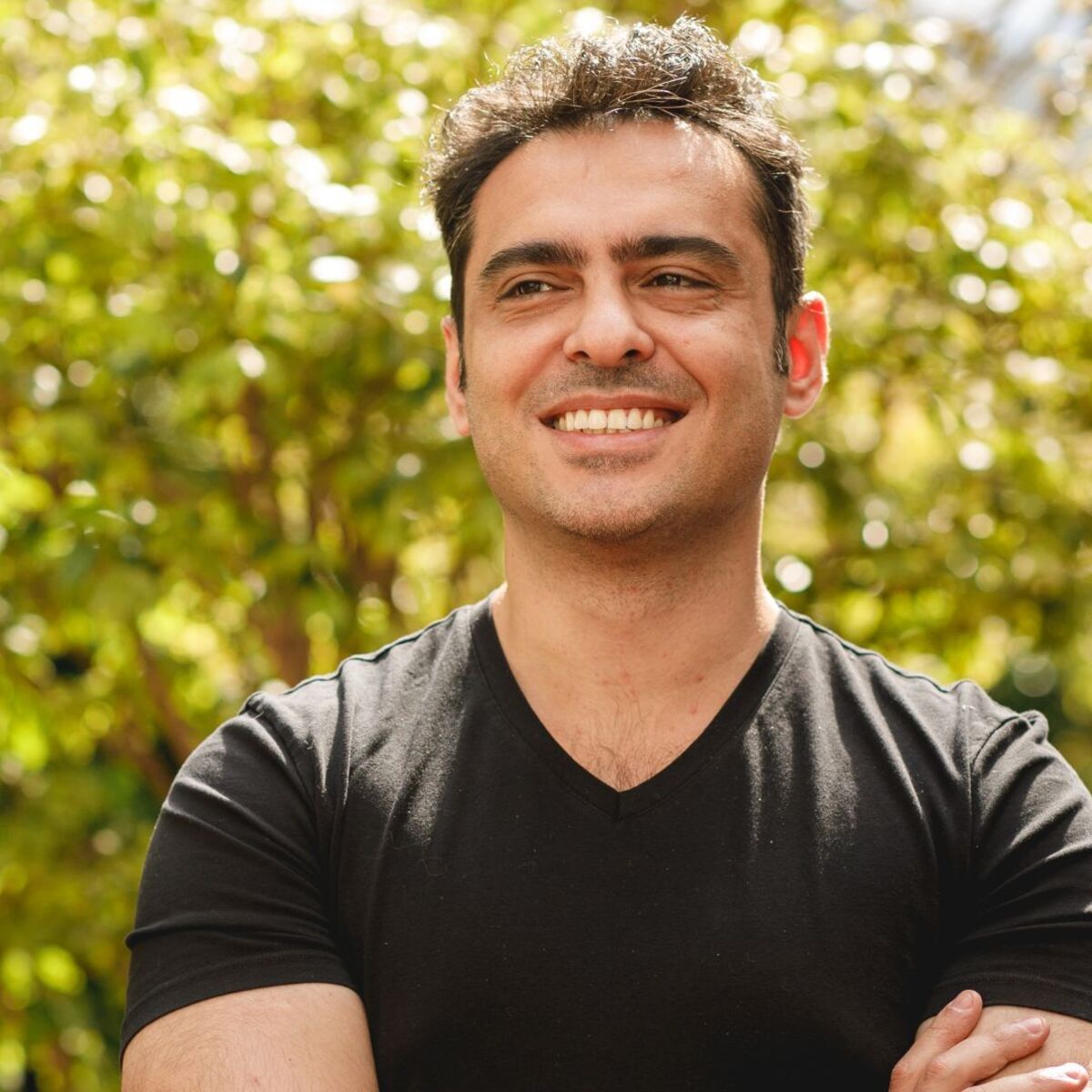
Photo: Raimundo Pacco/Mombak
Nairobi, December 4th, 2025 - The United Nations Environment Programme (UNEP) and the Food and Agriculture Organization (FAO) announced the inclusion of three new projects on the list of World Restoration Flagships.
The projects are located in Australia, Canada, and South Africa. They were selected for integrating large-scale environmental restoration practices with active participation from Indigenous communities and the use of scientific technology.
Australia | Reef Builder Project
The Reef Builder Project is currently Australia’s largest marine restoration initiative. It is managed by The Nature Conservancy (TNC) in partnership with the federal government. The effort focuses on the recovery of oyster and mussel reefs — ecosystems that have declined by 90% since the 19th century due to predatory harvesting and substrate dredging.
Technical data:
Areal restored between 2021 and 2023: 62 hectares across 13 sites
Material used: 98 tons of recycled shells and 30 million juvenile oysters and mussels
Jobs created: 425 in 51 small and medium-sized enterprises
Estimated annual economic return: AUD $14 million
Ecosystem services: 125 billion liters of water filtered and 15 tons of nutrients removed
Increased in fish biomass: 50 tons per year
The initiative was implemented in collaboration with Indigenous communities, who participated in naming the reefs and territorial management. Partner groups include Kabi Kabi, Whadjuk Noongar, Yuin, Gunaikurnai, and Bunurong. Each restoration site is linked to traditional land management and environmental monitoring practices.
Canada | Respectful Returns Initiative
The Respectful Returns initiative, in operation since 2010, is coordinated by Parks Canada and carried out under co-management with several Indigenous Nations. Its main objective is to restore salmon habitats and reconnect fragmented waterways across seven national parks on both the Pacific and Atlantic coasts.
Technical data:
Restored area: 65.000 hectares
Reconnected rivers: 228 km of waterways
Salmon populations recovering in 6 of the 7 monitored sites
Direct jobs created: more than 100
Institutional partnerships: 32 community organizations and 3 universities
The methodology combines drone-based mapping tools, biological monitoring, and the principle of Etuaptmumk (”Two-Eyed Seeing”), which values scientific knowledge and Indigenous knowledge equally. The communities involved Nuu-chah-nulth, Haida, Mi’kmaq, among others.
South Africa | Thicket Restoration Movement
In South Africa, the Thicket Restoration Movement operates in the Eastern Cape province with a focus on restoring the Albany Thicket biome, a semi-arid vegetations type impacted by decades of overgrazing. The consortium includes NGOs (such as Living Lands), private-sector companies (such as AfriCarbon), and government agencies.
Technical data:
Restoration target by 2030: 800.000 hectares
Area under management or restoration in 2025: 310.000 hectares
Carbon sequestration capacity of the Spekboom plant: 15.4 tCO₂/hectare/year
Projected annual carbon capture: up to 8 million tons
Carbon credit financing: VCS and CCB standards
Direct jobs created: more than 1.000
Population indirectly benefited: around 2 million people
Spekboom (Portulacaria afra), the dominant plant in the biome, is used for its high carbon sequestration efficiency in semi-arid environments. The initiative operates on lands with historical presence of the Khoi-San peoples and collaborates with conservation projects for local megafauna such as elephants and black rhinos.
Context and relevance
The selection of these three initiatives reinforces a trend toward projects that combine large-scale environmental restoration, direct socioeconomic impact, and integration with local communities.
In all cases, actions are designed to generate measurable ecological benefits, strengthen regional economies, and respect the rights and knowledge of Indigenous peoples.
Offer UGREEN
How About Getting Lifetime Access to a Sustainable House Mentoring with a 75% discount?
The UGREEN Sustainable House Mentoring has a special offer available throughout the entire month of December!
From US$257 for only US$57!
What is the Sustainable House Mentoring?
It is the complete training that accelerates the process of building sustainable homes through a set of methodologies!
You will learn how to apply sustainability techniques in an accessible way and with real cost reduction.
Attention: this promotion is only for a limited time!
This is a unique opportunity to join a complete training in sustainable construction, with a 75% discount.
Video
Is Airbnb Fueling the Housing Crisis?
Airbnb changed how people travel. But now, it’s changing how people live.
What began as a “sharing economy” idea (renting out a spare room) has become a global platform with real impact on housing, cities, and climate. Across major urban centers, residential buildings are turning into informal hotels. Locals are being priced out, and neighborhoods lose their sense of community.
Behind the friendly design and minimalist interiors, Airbnb has helped financialize housing. Many listings are no longer managed by individuals, but by firms with dozens or even hundreds of units. The platform rewards those who treat housing as a business, not a home.
And it’s not just about real estate. The rise of short-term rentals is tied to:
Rising rent inequality;
Loss of affordable housing;
Gig economy labor with no protections;
Increased waste, water use, and carbon emissions.
Airbnb markets itself as more sustainable than hotels, but recent studies say otherwise. When you factor in indirect impacts, like extra consumption by hosts, air travel, and constant renovations, the carbon footprint can be even higher.
So, is Airbnb simply part of tourism? Or is it reshaping the urban system itself?
Want to dive deeper into this topic?
Watch the full video, and learn more about Airbnb’s true impact on housing, sustainability, and urban life!
